Thesis
Transportation | Urban Design | Urban Planning | Architecture
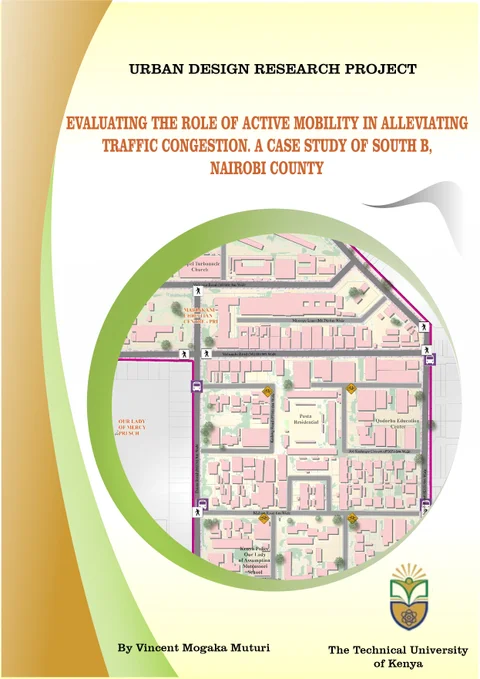
Urban Design
Walking constitutes the primary mode of transport for the majority of the African population, accounting for approximately 78% of all trips. Despite this, urban infrastructure in Nairobi continues to prioritize motorized transport, with minimal consideration for alternative modes such as cycling.
The rising demand for investment in urban cycling highlights limitations in current transport systems, including traffic congestion, overcrowded parking, air pollution, and high accident rates. This research promotes Non-Motorized Transport (NMT) as a strategic approach to mitigate congestion, improve safety, and enhance sustainability in South B Estate.
View More →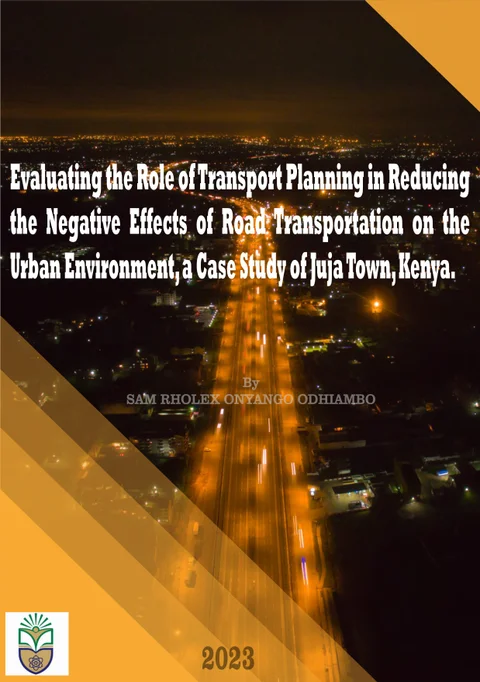
Transport Planning
Transportation has evolved with new modes of travel shaping urban and rural connectivity. Transportation planning plays a crucial role in guiding spatial growth and directing transport investment strategically.
This study examines the environmental impacts of increasing motorized transport and emphasizes the importance of planning to minimize negative externalities and improve sustainable urban mobility.
View More →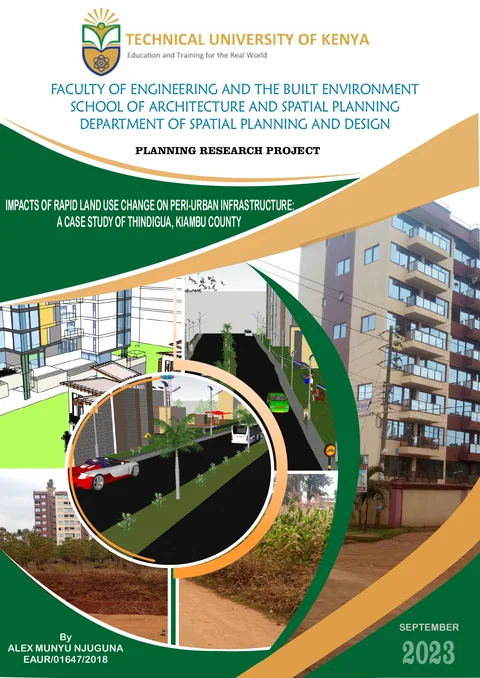
Urban Planning
Conversion of agricultural land to residential use on urban fringes, driven by population and economic growth, poses challenges to infrastructure and service delivery. Rapid population growth often outpaces the availability of urban land and essential infrastructure.
This research evaluates the effects of rapid land use change on peri-urban infrastructure, including transport, energy, waste, and water systems, highlighting gaps in management frameworks and providing recommendations for sustainable urban development.
View More →